
Setting up your first observatory at home is an exciting venture that opens up a world of exploration and discovery. Whether you’re a budding astronomer or simply someone who enjoys stargazing, having your own space dedicated to observing the cosmos can be incredibly rewarding. This guide will walk you through the essential steps to create your personal observatory, ensuring you have everything you need to start your celestial journey.
Choosing the Right Location
The first step in setting up your observatory is selecting the perfect location. Ideally, you want a spot that is away from city lights and has a clear view of the sky. Look for areas with minimal light pollution, as this will significantly enhance your stargazing experience. Additionally, consider the accessibility of the location; you want to ensure that you can easily transport your equipment to and from the site.
Once you have a potential location in mind, take some time to observe the area at night. Note the visibility of stars and celestial objects, and pay attention to any obstructions like trees or buildings that might block your view. If possible, visit during different seasons to see how the sky changes and to ensure you have a year-round observing site.
Selecting Your Equipment
Now that you have a location, it’s time to choose the right equipment for your observatory. Start with a good quality telescope that suits your level of expertise and budget. For beginners, a simple refractor or a small reflector telescope can provide excellent views of the moon and planets without overwhelming complexity. As you gain experience, you can upgrade to more advanced models.
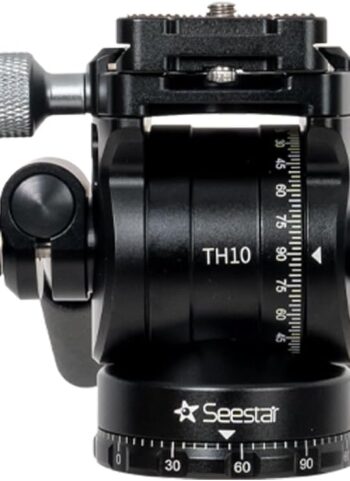
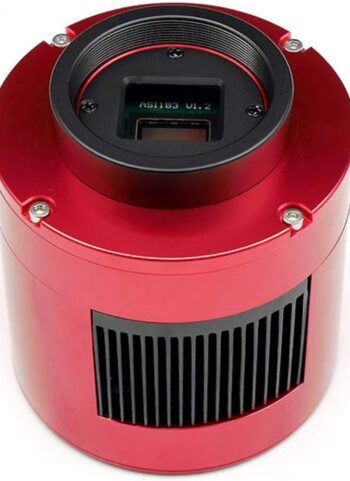
In addition to a telescope, consider investing in other essential accessories such as binoculars, star charts, and a red flashlight to preserve your night vision. A sturdy mount for your telescope is also crucial, as it will help stabilize your equipment and improve your viewing experience. Don’t forget to check out celestialswonder.com for a wide range of astronomy equipment tailored to your needs.
Building Your Observatory Structure
Once you have your equipment, you may want to consider building a dedicated structure for your observatory. This could be as simple as a small shed or a more elaborate dome design, depending on your budget and space. The key is to ensure that the structure is sturdy and can withstand the elements while providing a comfortable space for observing.
When designing your observatory, think about the layout and how you will arrange your equipment. Ensure there is enough space for your telescope, seating, and any additional gear you may need. Proper ventilation is also important, especially if you plan to spend long hours inside. A well-designed observatory will enhance your experience and make it easier to focus on the wonders of the universe.
Creating a Comfortable Viewing Environment
To fully enjoy your time in your observatory, it’s essential to create a comfortable viewing environment. Start by adding seating that allows you to relax while observing the night sky. Consider using a reclining chair or a comfortable stool that provides good support. You may also want to include a small table for your equipment and refreshments.
Lighting is another crucial aspect of your observatory setup. Use dim, red lighting to help maintain your night vision while still providing enough illumination to navigate your space. You might also want to include a small heater or fan, depending on your climate, to ensure you can comfortably observe throughout the year. Remember, a comfortable environment will keep you engaged and eager to explore the cosmos.
Checklist: Action Items for Your Observatory
As you embark on this exciting journey, keep the following checklist in mind to ensure you cover all the essential steps. Checklist: Choose a dark location, Select quality equipment, Build a sturdy observatory structure.
With these steps completed, you are well on your way to enjoying countless nights of stargazing and astronomical exploration. Remember, the universe is vast and full of wonders waiting to be discovered, so take your time, enjoy the process, and let your curiosity guide you as you set up your first observatory at home.